
If you look on a world map, you will notice that Greenland is a large island in the Atlantic Ocean that sits way up north. It is circled in red on the map here.
Notice that Greenland is close to parts of Canada, which is west of it, and it's further north than Norway & Sweden, which are to its east.
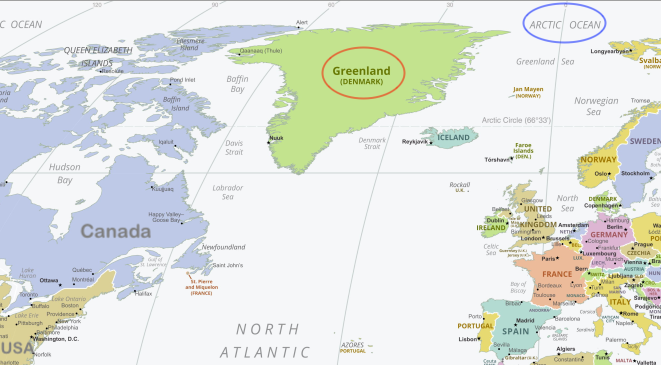
It borders the Arctic Ocean, which is circled on the map in blue. Actually, Greenland is within the Arctic Circle!
What else do you know about Greenland?
Before you read further, watch this video! It will tell you a lot about Greenland in just 3 minutes. Then continue reading after you watch.
GREENLAND’S NAME
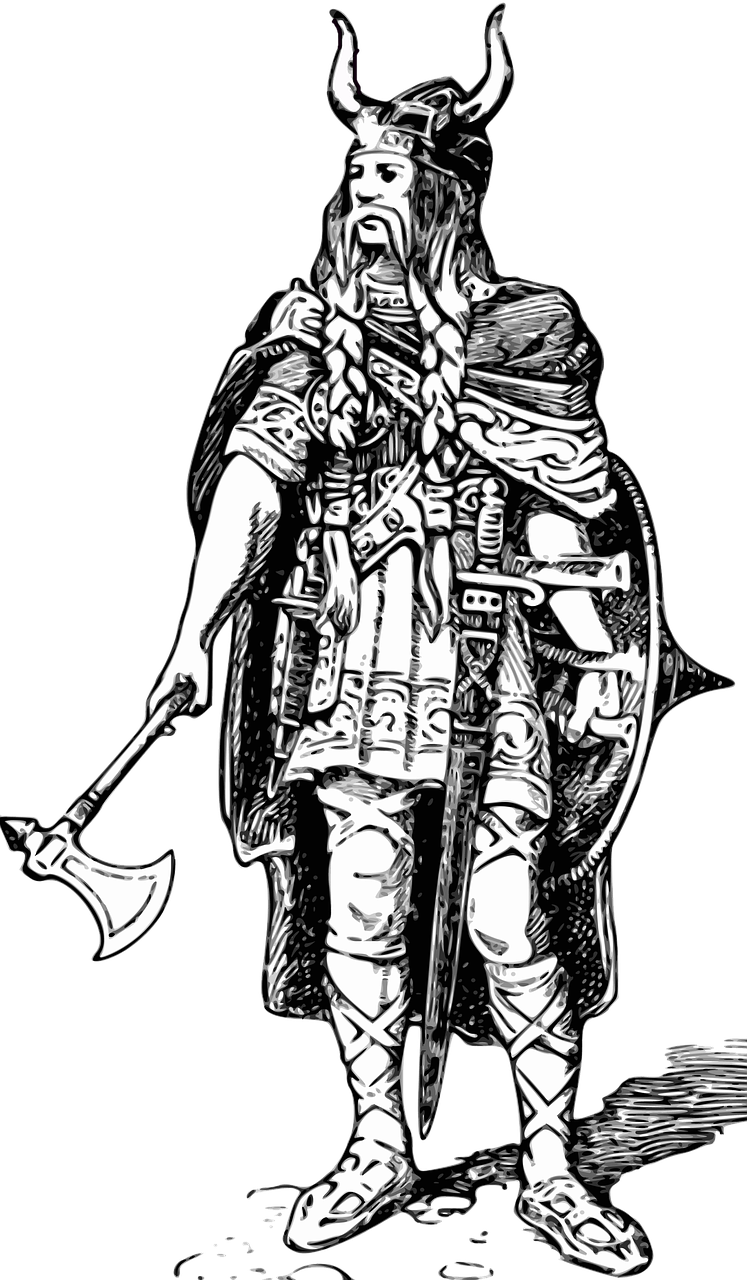
Let’s start with its name. Since Greenland is covered with snow and ice, why is it called Greenland?
The story goes that one of it’s first inhabitants was a Viking named Erik the Red. And that he called this place Greenland to entice more Vikings to move there and establish a settlement with him.
But that could be only half of the story.
There are some who would say, “Not so fast.” They would tell you that the globe has never stayed stagnant. It is always changing. The idea goes that Greenland may have been different thousands of years ago. Maybe it was more green then than it is today.
Maybe Erik the Red wasn’t lying after all!
THE INUIT OF GREENLAND
It’s hard for us to imagine a green Greenland because now it is a cold and icy place. It is not easy to live there, even with all of today's modern conveniences. Most of the people that do live there are the Inuit people, and they have lived there for almost a thousand years.
The Inuit speak Greenlandic and follow ancient customs and traditions. One of their musical instruments is a drum, but is very different than what you may be thinking. It is only the top, or head, of the drum, and it has a handle. The drummer holds the handle and plays it by hitting only its rim.
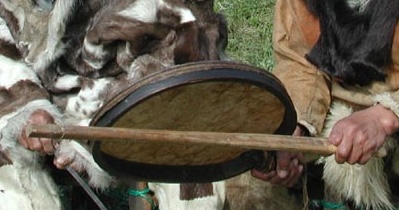
Songs are often by accompanied by this drum and no other instrument.
TRANSPORTATION IN GREENLAND
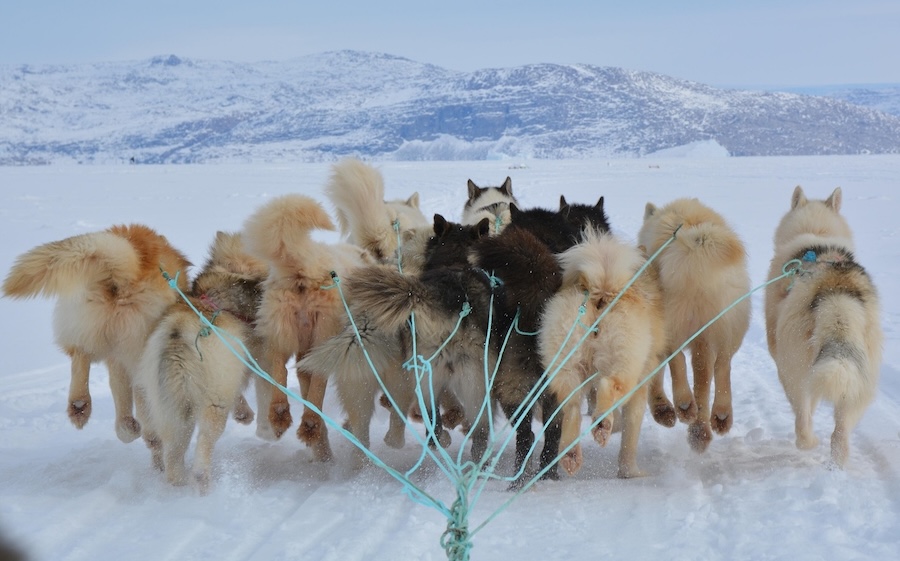
Transportation in Greenland has always been a challenge because of the climate. The snow and ice are a significant problem, so roads stretching long distances just don’t exist.
You may ride in a car or take a bus if you are in a town. But if you had to go from one town to another, your choices would be a boat, a small plane, a helicopter, a snowmobile, or a dogsled!
Which would you choose?
GREENLAND TODAY
Even though Greenland isn’t ideal for most people to want to pack up and move there, many nations want to call Greenland their own. That doesn't seem to make sense, since most of Greenland is one huge, uninhabitable ice sheet.
But there's more to Greenland than ice!
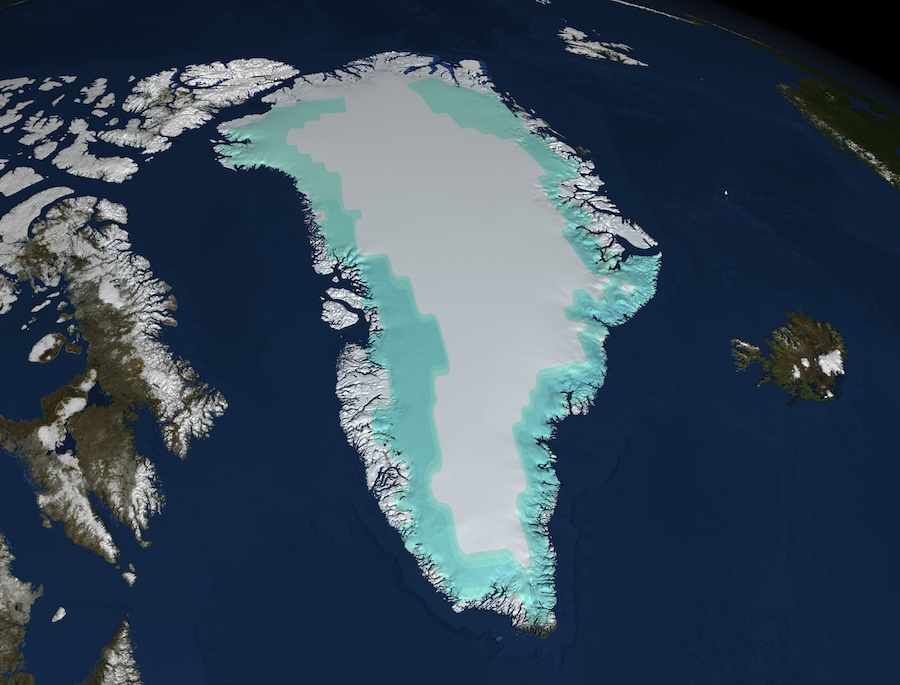
Its position on the globe is important for getting from here to there across the ocean. And those sea routes are not valuable just for exchanging goods with other nations, but also for military reasons.
And there’s another important reason that other nations may have an eye on Greenland. Greenland has important minerals in the ground that can be mined. These important minerals are called “rare earth minerals” and are needed for technology. As technology becomes more and more important in our world, these rare earth minerals gain value along with it. And Greenland, with its potential of providing valuable minerals to the rest of the world, becomes valuable, too.
LET’S GO GEOGRAPHY & GREENLAND
That gives you a small taste of the wonders of Greenland. And don’t forget to watch the video at the top of the page!
If you want to discover more, Let’s Go Geography covers Greenland for kids in Year 1 of its Around the World geography curriculum. The Greenland lesson includes coloring and a craft for Grades K-2. Upper grades have companion resources to go with the lesson.
You can purchase a stand-alone lesson on Greenland, as well as the coordinating packet for Grades 6-8. The companion pages for Grades 3-5 on just Greenland are coming soon.
